

Charge Cards Explained: How They Work and Their Benefits for Your Business
last updated - October 6, 2026
Charge cards are the secret to smart expense management, enabling your business to effortlessly pay suppliers, stay on top of recurring expenses, and fuel your company's growth. While credit cards and charge cards seem similar, they serve different functions and have different impacts on your business's credit.
What defines a charge card comes down to repayment — charge cards require you to pay the full amount by the end of each billing cycle. This structure inherently makes charge cards a disciplined yet flexible way to manage cash flow.
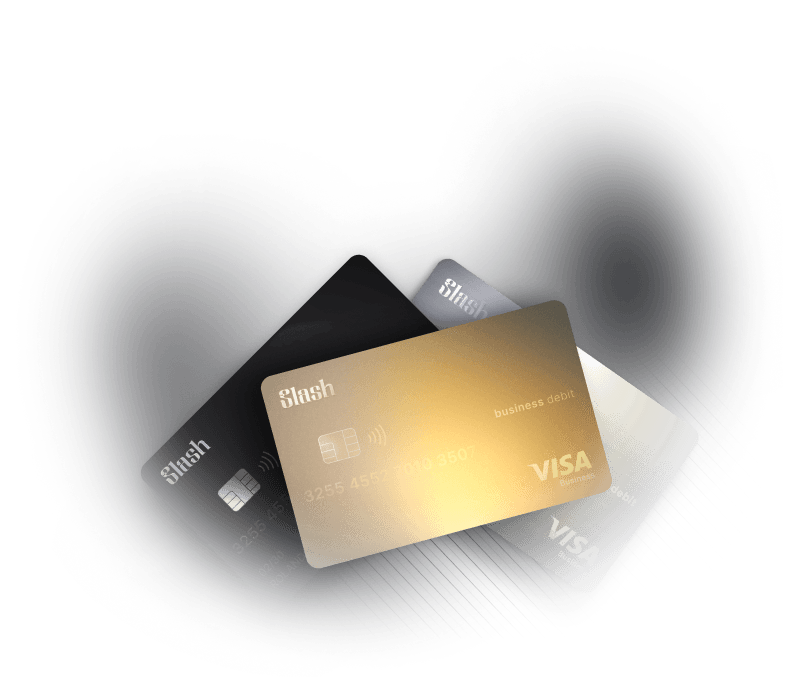
For businesses searching for the right card structure, the choice comes down to your cash flow management, payment timing, and growth goals. Charge cards, like the Slash Visa Platinum Card, offer your business the spending flexibility without the long-term revolving debt, helping your growing business manage spend, organize financial operations, and earn up to 2% cashback on purchases.¹
What is a Charge Card?
A charge card is a payment card that allows you to make purchases throughout a billing cycle by extending a line of credit and requires the card balance be paid in full at the end of the billing cycle.
Charge cards do not let you carry debt from one billing cycle to the next — unlike traditional credit cards. But a benefit of this structure enables charge cards to have no pre-set cap or spending limit. Rather, the purchasing power of a charge card is derived from your business's financial profile and payment history.
Examples of charge cards include the Slash Platinum Visa Card, the American Express Gold Card, and American Express Platinum Card, which may differ in billing cycles available (1, 30, 60-day periods), annual fees, or membership rewards.
Charge cards not only give business owners access to easier payment options, but also can help your business build credit, demonstrate a reliable payment history, and give you access to rewards like cashback.
How do Charge Cards Work?
On the surface, a charge card works similarly to other payment card options: you swipe, tap, or enter your details for a purchase. How a charge card works lies in how balances are managed and reported:
1. Application and approval
The approval process for a charge card depends on your credit score and credit history. Depending on the card issuers, such as American Express or Capital One, you may be considered based on your business's revenue or financial health. The Slash Visa Platinum Card only requires a EIN for approval and comes with no personal guarantee— perfect for startups with no credit.
2. Spending
Charge cards are widely used for common business expenses like software subscriptions, vendor payments, and travel. Charge cards are ideal for business expense management as many operate with no preset spending limit, allowing your business to make the purchases you need while maintaining financial repayment discipline.
3. Repayment in full
Charge cards do not have the option of carrying over debt from month to month. A charge card is designed for the entire balance to be paid at the end of each billing cycle. Missing payments may result in late fees, potential damage to your credit utilization ratio, or even a hit in your credit score. While charge cards offer many benefits, it's important to approach these cards with careful consideration and financial discipline.
4. Rewards and perks
Many charge cards come with reward points or cashback offers. For instance, the Slash Platinum Charge Card offers up to 2% cashback, while the Amex Gold Card offers points on dining, and the Amex Platinum Card earns points on travel.
5. Impact on credit
Charge cards can be a great way to build your business credit, but if your charge cards are not managed properly, they can negatively impact your credit. Card issuers report your payment history to major credit bureaus, noting how timely and effectively you pay your charge card balance. Ensure you make timely payments to help build your credit as late or missed payments can damage your credit score and trigger additional fees.
How can charge cards offer high spending capacity without revolving credit?
While most charge cards don't have a fixed credit limit, adaptive limits are still set behind the scenes. Rather than a static cap, your spending capacity is dependent upon dynamic factors like your payment history, cash flow, and financial profile. This does mean, however, that your adaptive limit on your charge card can grow alongside your business without a formal inquiry for a credit line increase.
This process is how charge cards are able to support large purchases. As the full balance is to be paid off in full at the end of each cycle, there is no revolving credit involved, rather just a spending capacity that evolves with your business.
Charge card vs. credit cards: what’s the difference?
While they may look alike, charge cards and credit cards are built differently:
Charge cards are a more accessible option, offering disciplined repayment, while credit cards are more flexible but may involve incurring interest payments or debt.
Modern platforms like Slash offer charge cards like the Slash Visa Platinum Charge Card that contain granular spend controls for better expense management alongside business banking, integrated accounting features, software tools, treasury partnerships, and real-time spend analytics.
What carrying a credit card balance costs in 2026
The biggest practical difference between a charge card and a credit card shows up when a balance is not paid off. According to the Federal Reserve's G.19 Consumer Credit release, the average interest rate on credit card accounts assessed interest at commercial banks was 22.15% in the second quarter of 2026, and the average across all credit card accounts was 20.94%.
At that rate, carrying a $10,000 balance for one month adds roughly $185 in interest, and carrying it for a full year adds more than $2,200.
A charge card removes that cost by design, because the full balance is due each cycle. The tradeoff is that the cash has to be there when payment is due. Businesses with uneven revenue should line up card due dates with incoming receivables, keep a cash buffer in the account that pays the card, and set spend limits on employee cards so one busy month cannot outrun available cash.
Late or missed payments on a charge card can still lead to fees, a suspended card, and negative credit reporting, so treat the due date like any other fixed bill.
Spend without carrying interest
Get a Slash charge card with up to 2% cash back and controls on every card.
How do Business Charge Cards Help in Everyday Payments?
Since most charge cards do not come with a pre-set spending limit, they naturally flow with daily business expenses. Charge cards for everyday purchases allow your business to cover everything from recurring vendor invoices to large single purchases without needing to request a limit increase or split between multiple cards.
Below are areas where charge cards make the biggest difference in everyday payments:
- Vendor and supplier payments: pay vendors without waiting on invoice terms or needing to tie up cash in advance
- Software subscriptions: with platforms like Slash, you can assign dedicated virtual cards to each subscription, making it easy to maintain spend visibility or shut off a card that is no longer needed
- Employee and team expenses: set granular spend controls for employees or departments, cutting down on reimbursements, manual expense reports, and preventing fraudulent card behavior
- Travel and client expenses: cover travel, vip client dinners, or conference expenses without worrying about a credit limit
- Simplified reconciliation: with charge cards, balances are paid in full each cycle and with platforms like Slash, transactions sync cleanly with integrated accounting tools like QuickBooks or Xero, without revolving debt muddying your books
Charge Cards: Benefits and Drawbacks
Charge cards can be extremely powerful spending tools for your business; however, it's essential to ensure they're the right fit for you:
Benefits
- No interest charges if balances are paid in full
- Builds credit history through on-time repayment.
- May include rewards and membership perks.
- Repayment structure can be beneficial for young businesses and startups.
- Useful for predictable, recurring monthly spending.
Drawbacks
- Requires full repayment each month
- Fewer issuers compared to credit cards
- May hurt cash flow during slow revenue cycles
Smart Expense Management with Slash Visa® Platinum Charge Card
Modern businesses need flexible, transparent, and automated spending tools. Traditional cards, while effective payment options, often fail to meet the unique needs of modern businesses seeking accessible banking, spending, and financial management solutions.
With Slash, both new and established companies can access a range of products and services, including charge cards, intelligent analytics, and spend management tools.
Here's how Slash goes beyond simple card offerings, providing charge cards with competitive rewards with expert-built and industry-tailored financial tools suitable for your modern business needs:
- Up to 2% cashback charge cards.
- Flexible working capital to help with cash flow.
- Real-time expense tracking and merchant-level spend controls.
- API and accounting integrations with QuickBooks, Xero, Plaid, and more.
- Instant and unlimited issuance of virtual cards for teams, multi-entities, or company divisions.
Slash enables companies to manage repayment cycles, track transactions, and optimize spending, all while earning competitive rewards.
Get started and learn more about the Slash Platinum Visa Charge Card and software features at slash.com.
Apply in less than 10 minutes today
Join the 10,000+ businesses already using Slash.
Frequently asked questions
What are the best charge cards for businesses?
Slash provides an excellent charge card option, offering high cashback and flexible tools tailored to modern businesses.
Top Business Charge Cards in 2026: Compare Options

What industries benefit most from charge cards?
Businesses with consistent and recurring expenses, such as consulting firms, SaaS startups, marketing agencies, and companies with high travel spend, may find charge cards helpful. Additionally, young businesses and startups may find charge cards more accessible as options without interest or debt penalties.
How can I get a charge card?
You can apply directly with an issuer or through financial platforms like Slash. Expect the process to review your credit score, credit utilization, and payment history.
How to Get a Business Credit Card with EIN Only: Top Picks

Watch the Post
Read more from us


